Shubra Palace Museum Taif Guide | History, Architecture & Visiting Tips
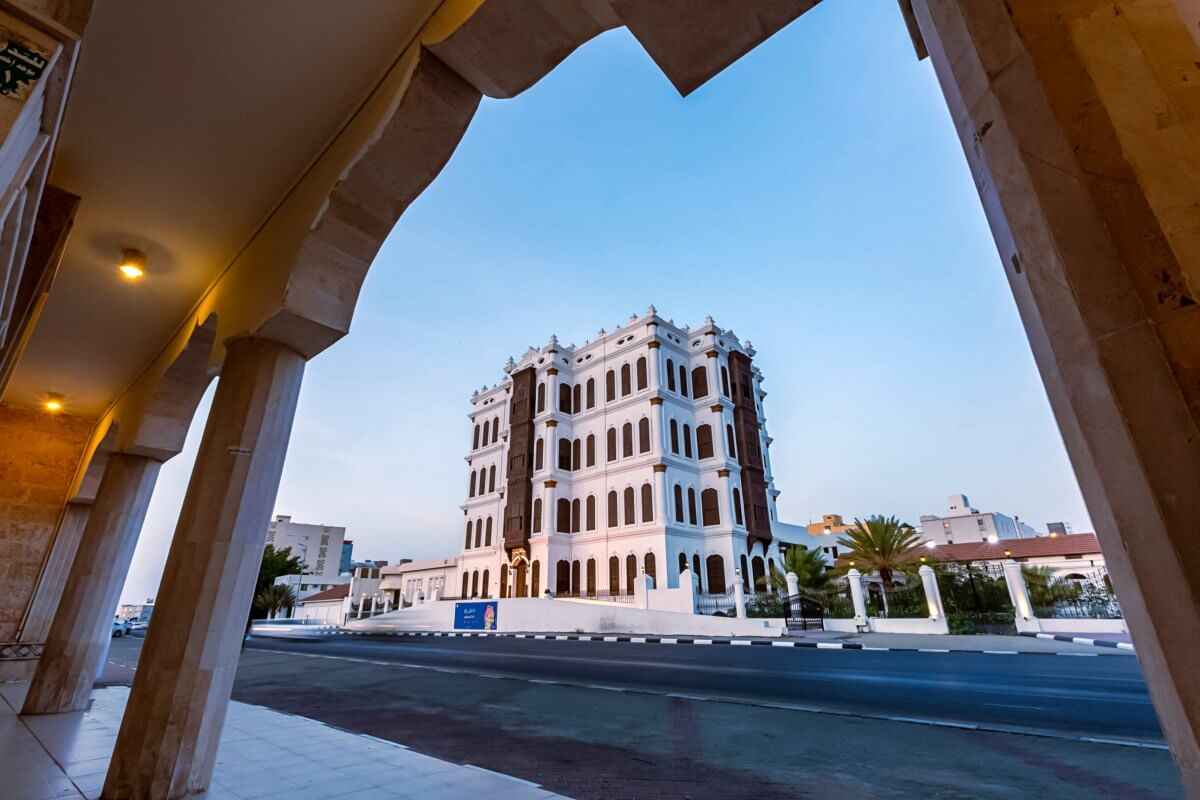
Shubra Palace Museum is a historic early-20th-century royal palace in Taif, Saudi Arabia, built in the early 1900s and later converted into a heritage museum in 1995. It is known for its blend of Hejazi and Roman-influenced architecture and its connection to King Abdulaziz and King Faisal, and it remains one of Taif’s most visited historical landmarks.
Travelers planning a trip between Makkah and Taif often add Shubra Palace to their itinerary because it offers a direct, tangible look at the region’s history — from Ottoman-era Hejaz architecture to the early years of the modern Saudi state.
What Is Shubra Palace Museum?
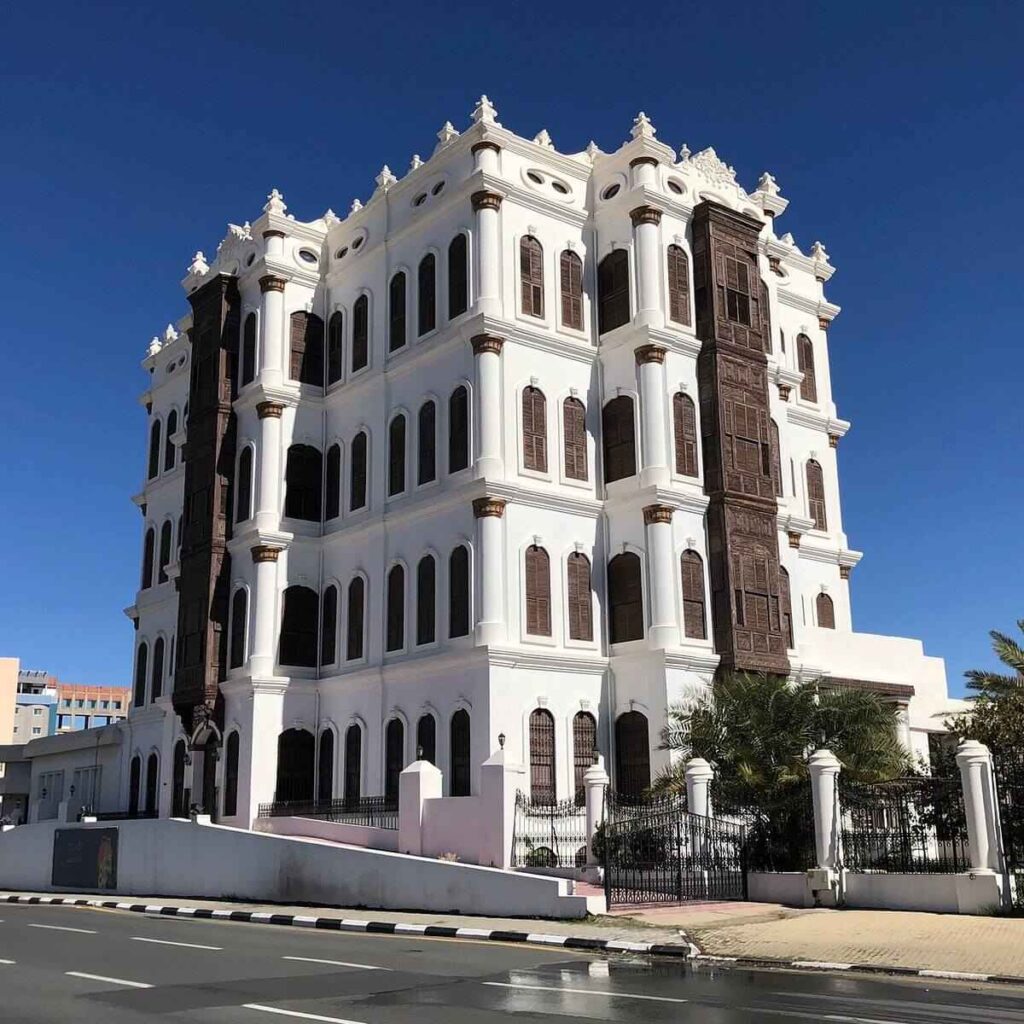
Shubra Palace is a preserved royal palace located in the Shubra district of Taif, northeast of the city’s old town. Originally a private royal residence, it was later repurposed as a regional heritage museum, and today it operates under the Kingdom’s Ministry of Culture. The museum displays historical artifacts, manuscripts, and everyday royal items that reflect life in the Hejaz region during the late Ottoman and early Saudi periods.
For visitors combining Makkah and Taif in one trip, Shubra Palace is often described as one of the most complete ways to understand Taif’s role in Saudi Arabia’s modern history — not just a photo stop, but a building that genuinely housed founding-era governance.
The History of Shubra Palace
The palace was commissioned by Ali bin Abdullah bin Aoun Pasha, who at the time held the position of Sharif of Mecca, and construction took place in the early 1900s, generally dated between 1904 and 1907 depending on the source. It was named after a district in Cairo, Egypt, which is understood to have inspired parts of its design.
The palace later became closely tied to the founding of modern Saudi Arabia. King Abdulaziz used Shubra Palace as a summer residence during his visits to Taif, taking advantage of the city’s cooler highland climate. King Faisal also made use of the building, which for a period served as a headquarters connected to the Council of Ministers and, historically, functions later associated with defense and aviation administration in the Kingdom.
In 1995, the palace was formally converted into a regional heritage museum, opening its halls to the public and preserving its rooms as a record of both royal life and Hejazi history.
Note: Some sources give slightly different construction start dates (1904 vs. 1905) and completion timelines. Travelers who want the precisely confirmed dates should check with Saudi Arabia’s official Ministry of Culture or Saudipedia resources before citing exact figures.
Architecture and Design
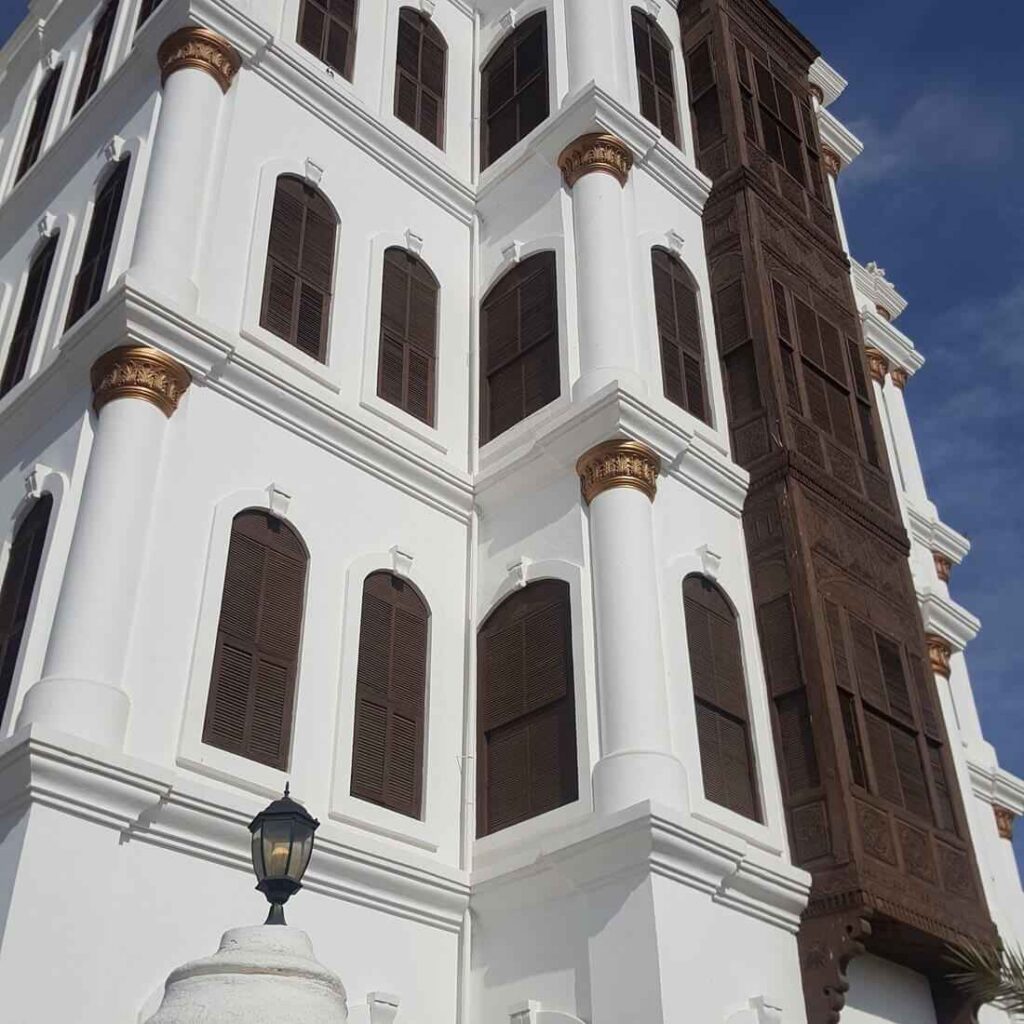
Shubra Palace is recognized as an example of how early 20th-century Hejaz architecture absorbed outside influences. Key architectural features include:
- Rawasheen — traditional dark wooden lattice windows and balconies decorated with Islamic motifs, a hallmark of Hejazi design
- Roman-influenced columns, some featuring gold-toned capitals
- Imported marble flooring, understood to be Italian in origin
- A multi-storey layout, generally described as four main floors plus a basement level, with roughly 150 rooms in total
- Surrounding gardens and open grounds, which historically included orchards
The result is a building that visually represents Taif’s historic position as a meeting point between Hejazi tradition and outside architectural influence.
What to See Inside the Museum
Inside, Shubra Palace Museum houses a mix of historical and cultural exhibits, including:
- Archaeological artifacts and antique items connected to the region’s history
- Historical manuscripts and examples of Arabic calligraphy
- Traditional Hejazi clothing and everyday household items
- Coins, seals, and other small historical objects
- Rooms preserved to reflect how the palace functioned as a royal residence
The museum is often described as a compact but meaningful visit — most travelers move through the halls in well under an hour, taking time to appreciate the architecture as much as the exhibits themselves.
Visiting Shubra Palace: Practical Notes
A few honest, practical points worth knowing before visiting:
- The museum is spread across multiple floors connected mainly by stairs, and it is not considered wheelchair-accessible. Travelers with mobility concerns should plan accordingly.
- Opening hours, ticketing, and entry requirements can change, so it’s best to confirm current details through official Saudi tourism or Ministry of Culture channels before visiting.
- As with most heritage sites in Taif, weekday mornings tend to be quieter than weekends and peak holiday periods.
Getting to Shubra Palace from Makkah
Shubra Palace is located in Taif, which sits in the mountains above Makkah at a noticeably higher, cooler elevation. Travelers coming from Makkah typically reach Taif — and Shubra Palace — by road, with options that include shared transport, bus services, or a private taxi from Makkah to Taif.
For travelers who want a direct route without transfers or fixed schedules, a private car allows a hotel pickup in Makkah and a drop-off close to the palace itself, which can be useful for families, elderly travelers, or anyone combining Shubra Palace with other Taif stops such as Al Hada or Al Shafa in the same day. Actual travel time can vary depending on traffic, weather, and the specific pickup and drop-off points, so it’s worth discussing your planned route with a transportation provider ahead of time.
FAQs
What is Shubra Palace Museum known for?
It is known as one of Taif’s most significant historical landmarks — a former royal palace connected to King Abdulaziz and King Faisal, now preserved as a heritage museum showcasing Hejazi architecture and regional history.
Who built Shubra Palace? It was commissioned by Ali bin Abdullah bin Aoun Pasha, a former Sharif of Mecca, in the early 1900s.
When did Shubra Palace become a museum?
The palace was converted into a regional heritage museum in 1995.
Is Shubra Palace accessible for visitors with mobility issues?
No – the palace is spread over several floors reached mainly by stairs, so it is generally not wheelchair-friendly.
How can I travel from Makkah to Shubra Palace in Taif?
Common options include private taxi, private car, or other intercity transportation between Makkah and Taif. A private taxi can be a practical choice for travelers who want direct hotel pickup and flexibility to visit Shubra Palace alongside other Taif attractions in one trip.
Conclusion
Shubra Palace Museum remains one of Taif’s most meaningful historical stops — a building that moved from royal residence to national heritage site, and still reflects the architectural character of the Hejaz region today. For travelers planning to combine a Makkah stay with a visit to Taif, it’s a landmark worth building an itinerary around.
Travelers who want a direct, private journey between Makkah and Taif — with flexibility to include stops like Shubra Palace – can contact Makkah to Taif Taxi on WhatsApp at +966 57 4915 372 to ask about pickup arrangements, vehicle options, and route planning for their trip.