Al Hada Mountain, Taif: A Practical Guide to Saudi Arabia’s Cloud-Level Escarpment
Al Hada Mountain is a highland area in Mecca Province, roughly 20 kilometers from Taif and connected to Makkah by the winding Al Hada mountain road. Sitting at around 2,000 meters above sea level, it’s known for its cool climate, sweeping valley views, roadside baboons, and the Al Hada Cable Car, which links the mountain summit to Al Kar Tourist Village below. Most travelers experience Al Hada either as a stop on the drive between Makkah and Taif, or as a dedicated half-day or overnight escape from the heat of the lowlands.
Where Is Al Hada Mountain?
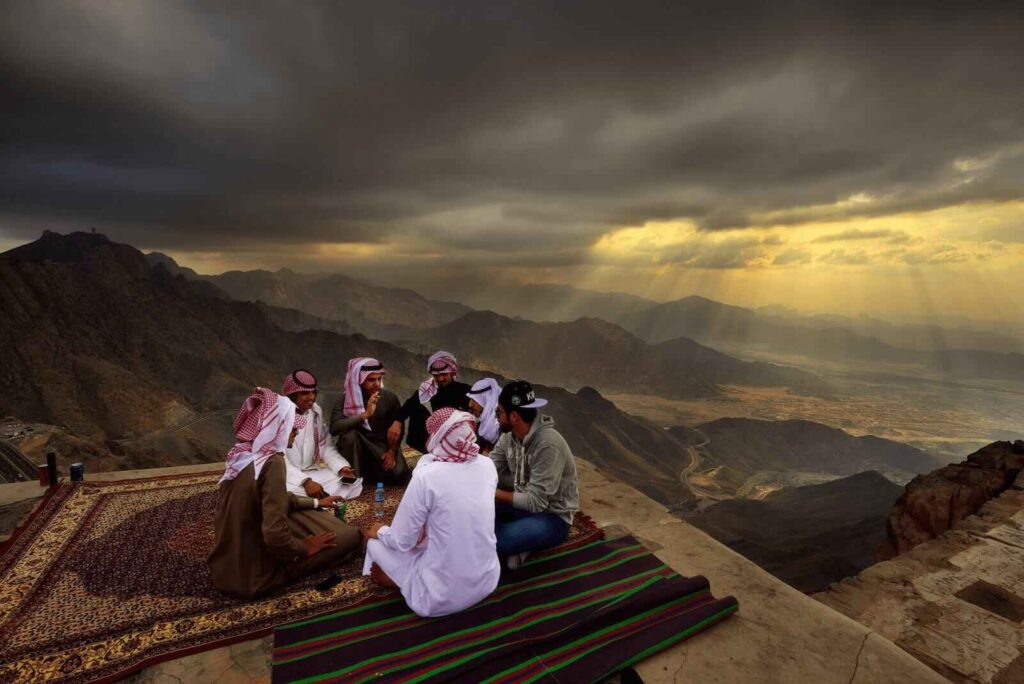
Al Hada is a mountain and small resort village that forms part of the western edge of the Sarawat range – the long chain of highlands that runs down the western side of Saudi Arabia and separates the hot coastal plain (where Makkah and Jeddah sit) from the cooler Taif highlands. Administratively, Al-Hada village falls within Mecca Province, close to Taif Governorate, at an elevation of roughly 2,000 meters. It sits directly along the corridor that connects Makkah and Taif, which is exactly why so many travelers encounter it: whether or not Al Hada is the destination, most road journeys between the two cities pass through or very near it.
Because Makkah itself lies close to sea level and Taif sits at around 1,800 meters, the road between them has to climb the same escarpment that Al Hada sits on top of. That climb is what makes the temperature difference so noticeable – and it’s also what makes the drive itself scenic rather than just functional.
Why Al Hada Is Famous
A few things come together to make Al Hada one of the most recognizable place names in the Taif area:
- The climate. At roughly 2,000 meters, Al Hada is consistently cooler than Makkah and Jeddah, which is why the area has long been used as a warm-weather retreat.
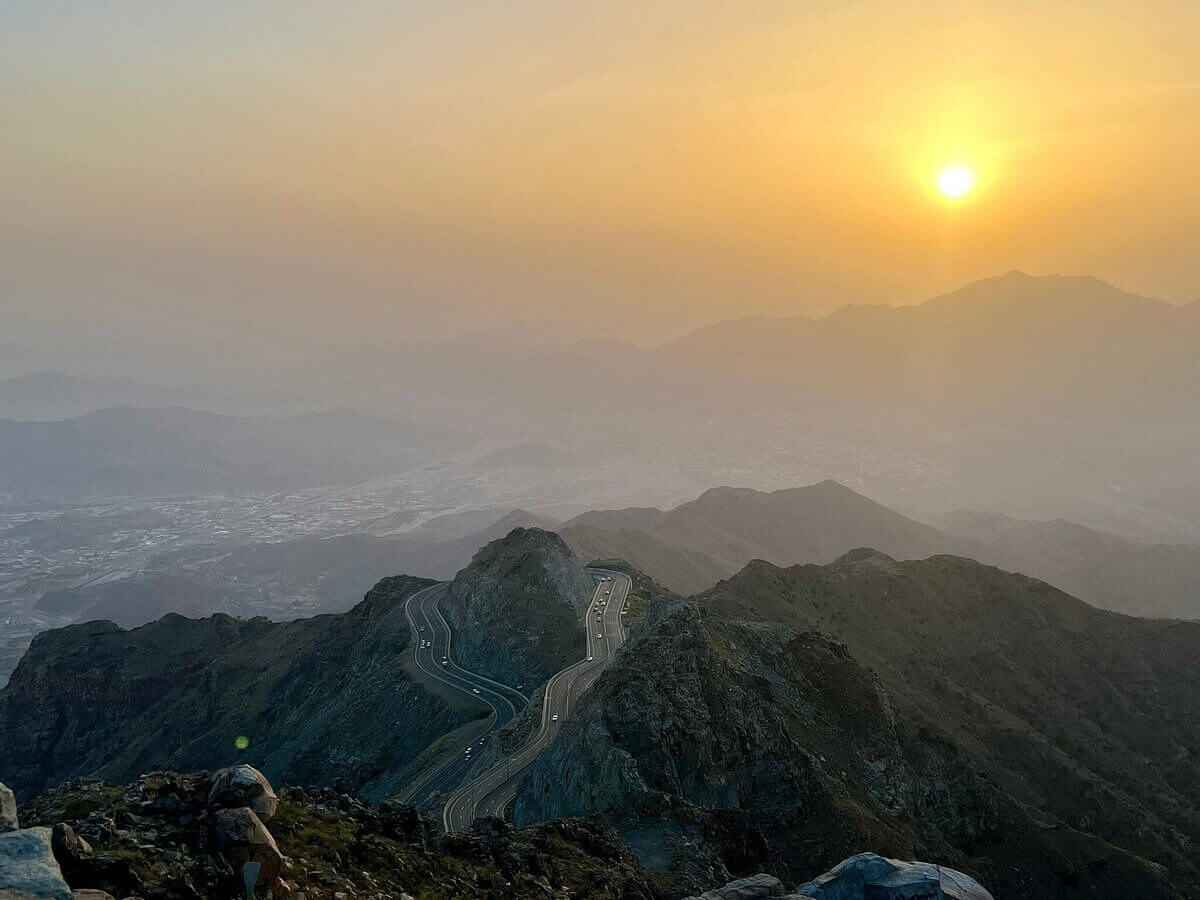
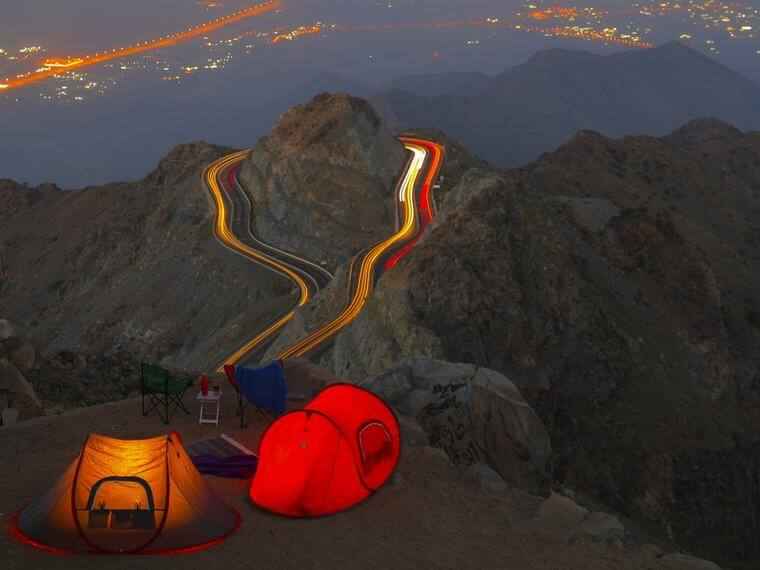
- The road. The mountain highway connecting Makkah and Taif climbs the escarpment in a series of dramatic switchbacks and hairpin turns, with viewpoints along the way that look out over layered valleys and cliffs.
- The views. Early mornings in particular can bring low cloud and mist rolling through the passes, giving Al Hada a genuinely different visual character from the arid lowlands most visitors have just driven up from.
- History as a highland retreat. The area has historically been used as a seasonal escape from the summer heat, and it remains a popular warm-season destination for Saudi families today.
The Al Hada Road: What to Expect on the Drive
The Al Hada road is one of the more talked-about stretches of highway in western Saudi Arabia, mainly because of how much elevation it gains in a relatively short distance. Expect:
- A series of curves and switchbacks as the road climbs from the lower plain toward the Taif plateau.
- A noticeable drop in temperature as you gain altitude, especially outside the hottest summer months.
- Multiple pullouts and viewpoints where drivers and passengers stop to take photos or simply enjoy the view.
- Traffic that can slow considerably on weekends, public holidays, and around Umrah and Hajj seasons, when both local and pilgrim traffic on the Makkah–Taif corridor increases.
- Road conditions that can be affected by fog, rain, or reduced visibility, particularly in the early morning — travelers unfamiliar with mountain driving should factor in extra time and caution.
Because the road involves sustained climbing, tight curves, and variable weather, it’s a stretch where a driver who already knows the route has a real practical advantage over someone navigating it for the first time in a rented car.
Wildlife on the Mountain: Baboons Along the Road
One detail nearly every visitor mentions is the presence of baboons along the roadside and near parking areas on Al Hada. They’re a normal part of the landscape here and a highlight for many travelers, but a few practical points are worth knowing:
- Baboons on this stretch of road are accustomed to vehicles and people, and can approach cars, especially if they associate them with food.
- Feeding or trying to touch the animals is not advisable; it encourages aggressive behavior and can be unsafe for both visitors and the animals.
- Keep windows up when stopped in areas where baboon troops are active, and keep loose food out of sight.
The Al Hada Cable Car (Telefric Al Hada)
The Al Hada Cable Car, also known locally as the Telefric Al Hada, is the area’s best-known dedicated attraction. It connects an upper station near the mountain summit with Al Kar Tourist Village in the valley below, carrying passengers in enclosed gondola cabins over several kilometers of cliffs and valleys, with a ride time of roughly 15–20 minutes each way. Along the route, riders typically get panoramic views of the surrounding Sarawat mountains, the switchback road below, and – depending on the angle – glimpses of the wider Taif landscape.
A few practical notes:
- The cable car connects the summit area (near hotels such as the long-standing Ramada Al Hada) with the tourist facilities at Al Kar village, which includes restaurants, shops, and family-oriented activities.
- Ticket prices and operating hours can change with season and demand, and the ride may pause temporarily in strong wind, heavy rain, or thunderstorms for safety reasons. Confirm current pricing and hours locally or with the operator before planning around it.
- Because of the altitude and enclosed cabin, most visitors find the ride comfortable, but travelers with a fear of heights, young children, or specific health considerations around altitude should decide in advance whether it’s right for them.
What Else to Do Around Al Hada
Beyond the cable car and the drive itself, Al Hada’s cooler climate supports small-scale fruit and rose cultivation typical of the wider Taif region, and the area has simple cafés and rest stops where travelers pause to enjoy the view with tea or coffee. Combined with the nearby Al Shafa mountain area and Taif’s rose farms, Al Hada fits naturally into a broader highland day trip rather than standing alone.
Best Time to Visit Al Hada Mountain
- October to March generally brings the clearest air and coolest, most comfortable daytime conditions for viewpoints and outdoor stops.
- March–April, the rose-growing season in the wider Taif area, adds extra scenic interest to a highland trip, though it mainly affects the valley farms rather than Al Hada itself.
- June to August is peak season for Saudi families escaping the lowland heat, which means more traffic on the road and busier conditions at the cable car and rest stops, even though temperatures at altitude remain noticeably milder than in Makkah or Jeddah.
- Weather at altitude can shift quickly; check local conditions before a same-day trip, particularly if fog or rain is forecast.
How to Get to Al Hada from Makkah or Taif
Al Hada lies on the direct corridor between Makkah and Taif, so most travelers reach it either as a stop along that route or as a short trip from Taif itself. Exact drive times vary with traffic, weather, and which road alignment is used (the older Al Hada mountain road versus newer highway sections), so treat any specific time as approximate rather than fixed. Broadly:
| Starting point | General relationship to Al Hada |
|---|---|
| Makkah | Al Hada sits along the climb toward Taif; the drive involves significant elevation gain and mountain curves. |
| Taif | Al Hada is the closer of the two, generally a short drive from the city, making it realistic as a half-day outing. |
| Taif Airport / Makkah hotels | Either can serve as a starting point for a private transfer that includes a stop at Al Hada along the way. |
Public transport options between Makkah and Taif exist but run on fixed schedules and routes, and typically won’t stop at Al Hada’s viewpoints or the cable car. Travelers who specifically want to stop for photos, the cable car, or a rest break at the top of the mountain generally find a private vehicle far more practical, since it allows the driver to pull over at viewpoints and adjust timing around traffic or weather.
This is where a private transfer becomes genuinely useful rather than just a convenience: travelers moving between Makkah and Taif who want to experience Al Hada properly — rather than only glimpse it from a bus window – can arrange a private taxi that includes a planned stop at the mountain. Makkah to Taif Taxi offers private transportation along this exact corridor, with hotel pickup in Makkah or Taif and the flexibility to pause at Al Hada’s viewpoints or the cable car station along the way. Travelers can reach the service on WhatsApp at +966 57 4915 372 to discuss pickup location, timing, and whether a stop at Al Hada fits their planned route.
Planning Tips for Families, Elderly Travelers, and Groups
- Families: the switchback road and altitude change can be uncomfortable for young children prone to motion sickness; plan for a stop partway up if needed, and consider that the cable car ride is generally a calmer experience than the drive itself.
- Elderly travelers: a door-to-door private vehicle avoids the walking and waiting involved in public transport connections, and allows the trip to be paced with rest stops.
- Groups: coordinating luggage, timing, and pickup points is simpler with a single private vehicle arranged in advance rather than multiple public transport legs.
- All travelers: confirm cable car operating hours and any current weather-related closures before building a same-day plan around it.
Conclusion
Al Hada Mountain is less a single attraction than a whole stretch of highland landscape – the road, the wildlife, the cable car, and the cooler air that together explain why it’s one of the most recognizable names in the Taif area. Whether it’s a deliberate half-day trip from Taif or simply the most memorable part of the drive up from Makkah, understanding what to expect on the road and at the mountain makes the visit far more enjoyable. For travelers who want to experience Al Hada properly rather than rush past it, arranging a private transfer with a stop built in — rather than relying on a fixed-schedule bus – is usually the most practical way to do it. Makkah to Taif Taxi can help plan that route; reach out on WhatsApp at +966 57 4915 372 to ask about hotel pickup, timing, and stops along the Makkah–Taif road.
FAQs
Where exactly is Al Hada Mountain located?
Al Hada is a mountain and small highland village in Mecca Province, on the escarpment between Makkah and Taif, at an elevation of roughly 2,000 meters.
How far is Al Hada from Makkah and from Taif?
Al Hada sits on the Makkah–Taif corridor, closer to Taif than to Makkah. Exact drive times vary with traffic, road choice, and weather, so it’s best to treat published times and distances as approximate rather than fixed.
Is the Al Hada cable car worth doing?
Many visitors find it a comfortable, scenic way to experience the mountain’s elevation without driving it, especially families or anyone who prefers not to navigate the switchback road themselves. Operating hours and pricing can change, so it’s worth confirming locally before planning a visit around it.
Are the baboons on Al Hada road dangerous?
They are generally accustomed to traffic and people, but visitors should avoid feeding or touching them and keep car windows up when stopped nearby, since wild animals can behave unpredictably around food.
Is Al Hada a stop on the way, or a separate trip?
Both are common. Many travelers experience Al Hada simply as part of the Makkah–Taif drive, while others treat it as a dedicated half-day or overnight escape from Taif, especially in the hotter months.
What’s the best way to visit Al Hada if I don’t want to drive the mountain road myself?
A private taxi with an experienced driver on the Makkah–Taif route can build in a stop at Al Hada’s viewpoints or the cable car, which isn’t usually possible on fixed-schedule public buses.